- Request↓
- Comparable scope↓
- Coordinator decision

TasGO · RFQ coordination
Comparable RFQs, with conditions ready for review.
People review providers and commercial commitments.
See the customer storyCIE / YOUR NEXT COMMERCIAL STEP
Research, conversations and your decisions — connected through CIE.
CIE
Retail business planning new locations in Germany
Illustrative opportunity brief
The conversation step depends on a relevant customer reply through an agreed communication channel.
Channels and contact permissions are agreed before communication begins.
Illustrative opportunity journey
01 / Find a suitable buyer
Research a retailer planning additional locations. Check region, intended use and product fit.
Choose whether this fit merits an approach. Research is not evidence of interest.
Agree the communication channels with Exwest before starting. Sending requires an available channel and contact permission.
Research a retailer planning additional locations. Check region, intended use and product fit.
Buyer type: retail business in Germany. Fit: a possible need for modular sales space. Source: an expansion notice to verify.
Choose whether this fit merits an approach. Research is not evidence of interest.
Identify the relevant purchasing role and prepare a message about a possible showroom need. Contact details and permission need checking.
Approach draft: “Could modular sales space suit your expansion? Which location, size and delivery window would you need?”
Review the recipient, permitted channel and approach before sending.
Use a customer reply to clarify interest and requirements.
Customer reply: “We need approximately 60 m² of retail space in Berlin. Opening is planned in three months.”
Confirm the response, site requirements and whether the opportunity is worth progressing.
Bring the buyer, need, missing information and next step together for your sales conversation.
Handoff: retail expansion · 60 m² under discussion · site access open · next action: requirements call with the project owner.
Take the conversation forward or request more information.
Prepare scope and price basis from approved product information. Separate unknowns from commitments.
Offer brief: modular sales space · price based on your approved catalogue · site and delivery checks pending · opportunity updated to awaiting review.
Review the price, delivery date and any exceptional terms. Approve the next step or request changes.
Product fit checked; source and a draft approach available. Contact permission still needed.
Relevant interest confirmed in a customer reply; requirements, open questions and the next action handed to you.
Scope and price basis prepared; the responsible person reviews exceptions and commitments.
CRM / CIE
Channels and CRM connections are scoped for your business. Contact permissions apply.
Explore ↗Find relevant signals
Check fit and gaps
Understand requirements
Prepare an offer draft
Coordinate the next step
Record an agreed outcome
Review and propose improvements
Explore a sample enquiry for a modular building, from requirements to your approval.
An incoming enquiry enters at Qualify, then moves into requirements, an offer and follow-up.
Requirements to collect
What CIE does
Understand intended use, site conditions, dimensions, utilities and delivery timing. Missing information becomes a focused question.
Clarify the missing requirements.Your decision
The project owner reviews feasibility and exceptional terms
Showroom requirements, product options and approved price rules
Usage, site access and utilities
Offer basis
Approved catalogue and project scope
What CIE does
Prepare scope, options and exclusions from approved product information and pricing rules. Delivery and feasibility checks remain visible.
Review the offer scope.Your decision
The project owner reviews feasibility and exceptional terms
Showroom requirements, product options and approved price rules
Approved catalogue and project scope
Customer reply to review
Request, reply and current scope
What CIE does
A reply may clarify a requirement or change the scope. Connect it to the affected offer instead of starting a separate record.
Check what changed.Your decision
The project owner reviews feasibility and exceptional terms
Showroom requirements, product options and approved price rules
Request, reply and current scope
Follow-up plan
Clarification or agreed review
What CIE does
Follow up on the unanswered question or pending decision. Use the recorded context and applicable contact permissions.
Assign the next action.Your decision
The project owner reviews feasibility and exceptional terms
Showroom requirements, product options and approved price rules
Clarification or agreed review
Approval brief
Scope, timing and authority
What CIE does
A responsible person reviews exceptions, capacity and commercial terms. Approve, revise, pause or decline with the relevant information in view.
Record the decision.Your decision
The project owner reviews feasibility and exceptional terms
Showroom requirements, product options and approved price rules
Scope, timing and authority
Opportunity outcome
Agreement, review or reasoned no-go
What CIE does
Record the agreed outcome and remaining conditions. Review the workflow to propose improvements without silently changing business rules.
Review and learn.Your decision
The project owner reviews feasibility and exceptional terms
Outcome and updated context
Keep the reviewed scope or reasoned no-go, open conditions, decision owner and agreed next step together.
Showroom requirements, product options and approved price rules
Agreement, review or reasoned no-go
Understand intended use, site conditions, dimensions, utilities and delivery timing. Missing information becomes a focused question.
What CIE does: Clarify the missing requirements.
Your decision: The project owner reviews feasibility and exceptional terms
Prepare scope, options and exclusions from approved product information and pricing rules. Delivery and feasibility checks remain visible.
What CIE does: Review the offer scope.
Your decision: The project owner reviews feasibility and exceptional terms
A reply may clarify a requirement or change the scope. Connect it to the affected offer instead of starting a separate record.
What CIE does: Check what changed.
Your decision: The project owner reviews feasibility and exceptional terms
Follow up on the unanswered question or pending decision. Use the recorded context and applicable contact permissions.
What CIE does: Assign the next action.
Your decision: The project owner reviews feasibility and exceptional terms
A responsible person reviews exceptions, capacity and commercial terms. Approve, revise, pause or decline with the relevant information in view.
What CIE does: Record the decision.
Your decision: The project owner reviews feasibility and exceptional terms
Record the agreed outcome and remaining conditions. Review the workflow to propose improvements without silently changing business rules.
What CIE does: Review and learn.
Your decision: The project owner reviews feasibility and exceptional terms
Outcome and updated context: Keep the reviewed scope or reasoned no-go, open conditions, decision owner and agreed next step together.
Explore an illustrative RFQ: clarification, comparable responses, quotation and follow-up.
An incoming RFQ enters at Qualify, before requirements and responses are coordinated.
Request basis
What CIE does
Record route or specification, quantity, delivery timing and the customer’s request.
Check completeness.Your decision
The coordinator reviews provider selection, feasibility and terms
The same RFQ scope, customer requirements and response conditions
Route, dimensions, weights and documentation
Open questions
What CIE does
Ask for dimensions, weights, technical references or documents needed for comparable responses.
Clarify before requesting responses.Your decision
The coordinator reviews provider selection, feasibility and terms
The same RFQ scope, customer requirements and response conditions
Dimensions and applicable documentation
Response context
Included services and conditions
What CIE does
Keep each response with its scope, timing, exclusions and unanswered questions.
Prepare a comparable view.Your decision
The coordinator reviews provider selection, feasibility and terms
The same RFQ scope, customer requirements and response conditions
Included services and conditions
Decision basis
Scope, timing, cost and exclusions
What CIE does
Compare on the same requirement basis. Review feasibility and technical documents with qualified people.
Review the preferred option.Your decision
The coordinator reviews provider selection, feasibility and terms
The same RFQ scope, customer requirements and response conditions
Scope, timing, cost and exclusions
Approval
Responsible commercial and technical reviewers
What CIE does
Prepare the customer quotation within approved terms. Escalate exceptions before making a commitment.
Approve or revise the offer.Your decision
The coordinator reviews provider selection, feasibility and terms
The same RFQ scope, customer requirements and response conditions
Responsible commercial and technical reviewers
Next action
Clarify, review, proceed or pause
What CIE does
Connect the customer reply to the RFQ and record the next action or outcome. Changed requirements return to review.
Follow the agreed next step.Your decision
The coordinator reviews provider selection, feasibility and terms
Outcome and updated context
Keep the quotation basis, comparable responses and assigned follow-up together. Provider choice and commitments still require your decision.
The same RFQ scope, customer requirements and response conditions
Clarify, review, proceed or pause
Record route or specification, quantity, delivery timing and the customer’s request.
What CIE does: Check completeness.
Your decision: The coordinator reviews provider selection, feasibility and terms
Ask for dimensions, weights, technical references or documents needed for comparable responses.
What CIE does: Clarify before requesting responses.
Your decision: The coordinator reviews provider selection, feasibility and terms
Keep each response with its scope, timing, exclusions and unanswered questions.
What CIE does: Prepare a comparable view.
Your decision: The coordinator reviews provider selection, feasibility and terms
Compare on the same requirement basis. Review feasibility and technical documents with qualified people.
What CIE does: Review the preferred option.
Your decision: The coordinator reviews provider selection, feasibility and terms
Prepare the customer quotation within approved terms. Escalate exceptions before making a commitment.
What CIE does: Approve or revise the offer.
Your decision: The coordinator reviews provider selection, feasibility and terms
Connect the customer reply to the RFQ and record the next action or outcome. Changed requirements return to review.
What CIE does: Follow the agreed next step.
Your decision: The coordinator reviews provider selection, feasibility and terms
Outcome and updated context: Keep the quotation basis, comparable responses and assigned follow-up together. Provider choice and commitments still require your decision.
Explore opportunity research for walnut and almond saplings, with a human bid/no-bid decision.
Opportunity research enters at Discover; suitability and eligibility still need review.
Source record
Original notice or buyer enquiry
What CIE does
Record the original buyer or notice source and observation date. Confirm current information.
Check the source.Your decision
The owner decides whether to investigate, bid after checks or decline
Product fit, buyer requirements and questions still to resolve
Original source, variety, quantity and response deadline
Requirements
What CIE does
Record quantity, variety and deadline separately. A deadline does not establish eligibility.
Confirm the requirements.Your decision
The owner decides whether to investigate, bid after checks or decline
Product fit, buyer requirements and questions still to resolve
Quantity, variety and response deadline
Fit basis
Variety, quantity and growing conditions
What CIE does
Compare walnut and almond sapling specifications with the buyer’s request and available capacity.
Identify gaps in fit.Your decision
The owner decides whether to investigate, bid after checks or decline
Product fit, buyer requirements and questions still to resolve
Variety, quantity and growing conditions
Open checks
What CIE does
Review delivery requirements, documentation and eligibility questions with responsible people.
Prepare the decision context.Your decision
The owner decides whether to investigate, bid after checks or decline
Product fit, buyer requirements and questions still to resolve
Delivery window, export documents and eligibility
Decision owner
Responsible business owner
What CIE does
The owner decides whether to investigate further, prepare a bid after checks or decline. No automatic submission follows.
Record the reason.Your decision
The owner decides whether to investigate, bid after checks or decline
Product fit, buyer requirements and questions still to resolve
Responsible business owner
Outcome
Further research, reviewed bid or no-go
What CIE does
Record the decision and follow the permitted next action. Review what information would improve future research.
Review and improve.Your decision
The owner decides whether to investigate, bid after checks or decline
Outcome and updated context
Keep the bid/no-bid decision, reasons, eligibility questions and next action with the opportunity. A decision does not submit a bid.
Product fit, buyer requirements and questions still to resolve
Further research, reviewed bid or no-go
Record the original buyer or notice source and observation date. Confirm current information.
What CIE does: Check the source.
Your decision: The owner decides whether to investigate, bid after checks or decline
Record quantity, variety and deadline separately. A deadline does not establish eligibility.
What CIE does: Confirm the requirements.
Your decision: The owner decides whether to investigate, bid after checks or decline
Compare walnut and almond sapling specifications with the buyer’s request and available capacity.
What CIE does: Identify gaps in fit.
Your decision: The owner decides whether to investigate, bid after checks or decline
Review delivery requirements, documentation and eligibility questions with responsible people.
What CIE does: Prepare the decision context.
Your decision: The owner decides whether to investigate, bid after checks or decline
The owner decides whether to investigate further, prepare a bid after checks or decline. No automatic submission follows.
What CIE does: Record the reason.
Your decision: The owner decides whether to investigate, bid after checks or decline
Record the decision and follow the permitted next action. Review what information would improve future research.
What CIE does: Review and improve.
Your decision: The owner decides whether to investigate, bid after checks or decline
Outcome and updated context: Keep the bid/no-bid decision, reasons, eligibility questions and next action with the opportunity. A decision does not submit a bid.
01 / CIE
The market researcher explains which companies may fit and why. Sales representation structures requirements, offer drafts and follow-up. Account coordination keeps history, ownership and open decisions together. These responsibilities work together within one CIE system.
02 / CIE
Provide product or service information, territories, customer profiles, approved prices, examples of enquiries and decision owners. The agreed configuration uses those inputs to distinguish a suitable opportunity from a poor fit. Incomplete information becomes a question, not an invented answer.
03 / CIE
An outcome may be a reviewed offer, a confirmed next meeting, an agreed order subject to final terms, or a reasoned no-go. Learning means reviewing what happened and proposing improvements. Changes to pricing, authority or business rules still need the responsible person.
04 / CIE
Research and draft preparation are agreed with Exwest. Email, calls and messaging are available only as confirmed for your service; sending also requires contact permission. Later autonomous conversations and closing are separate future extensions.
CIE finds businesses your offering could suit, and shows you why.
↗02Your products, target markets and approved prices guide buyer selection and offer preparation. Exceptions come back to the person responsible.
↗03Turn an enquiry into understood requirements, an offer draft and a clear follow-up. Keep each customer reply connected to the next commercial step.
↗04Receive the buyer information, current offer, open questions and decision together. Your responsible person can approve, revise or stop the next step.
↗CIE, used by businesses doing real commercial work.
EXWEST / CIE
Comparable RFQs, with conditions ready for review.
People review providers and commercial commitments.
See the customer story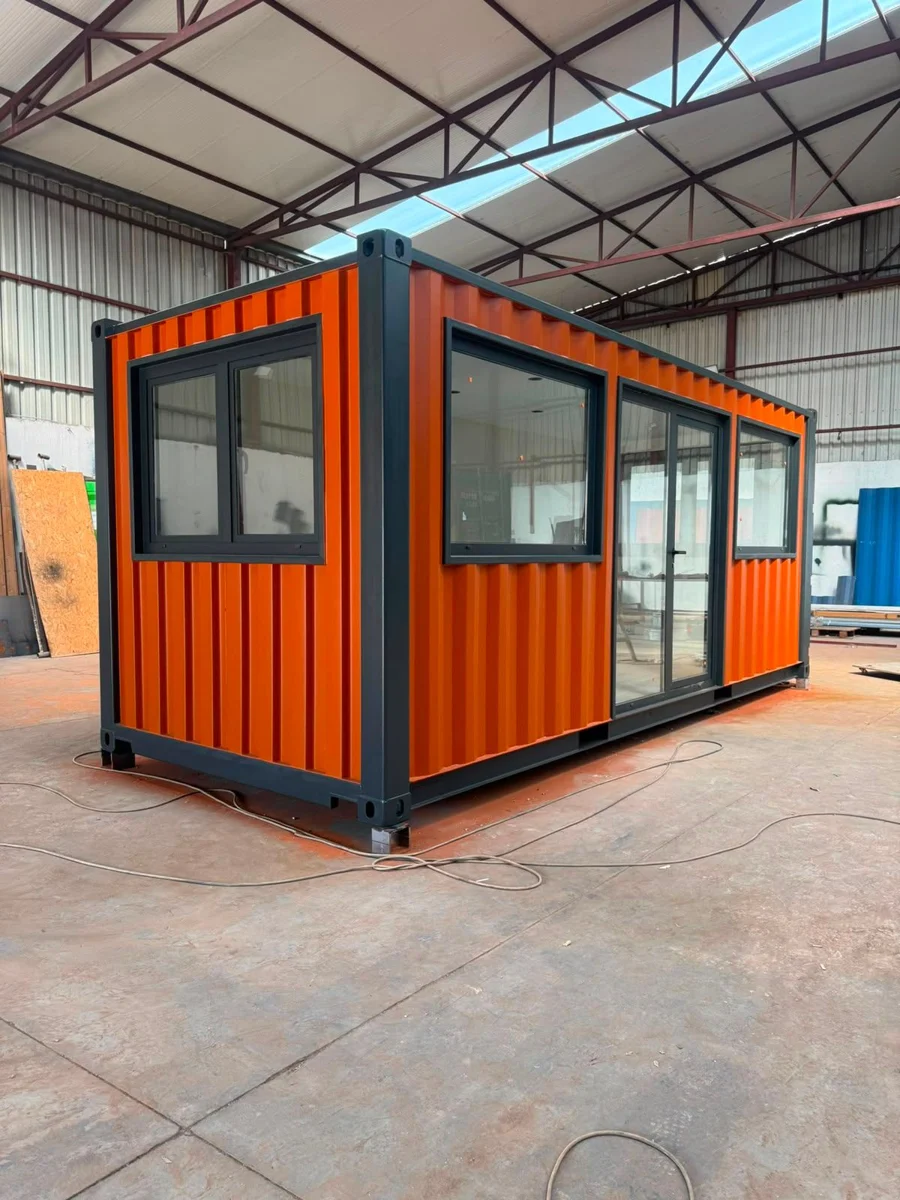

Project requirements and offers stay together.
People decide feasibility, exceptional terms and delivery.
See the customer story

Relevant buyers, with clear reasons to investigate.
The owner checks capacity and decides whether to pursue.
See the customer storyStart with a workflow example, product or service information, approved rules and the person responsible for decisions.
Missing information, exceptional discounts, delivery commitments and changed scope need the responsible person. CIE is intended to prepare the context for that review.
Agree workflows, required channels and connections with Exwest. Availability depends on your business configuration and approved scope.
EXWEST / Next step
Bring a typical enquiry or opportunity. We’ll discuss your requirements, decision rules and the CIE scope that fits your business.
Your workflow. Your rules. Your decisions.
contact@exwest.de ↗