CIE / Tender & buyer discovery
Discover opportunities. Decide whether to bid.
Find relevant buyers and public purchasing opportunities, then assess product fit, deadlines and eligibility questions before deciding whether to pursue them.
01 / CIE
What your company provides
Provide product specifications, available quantities, delivery regions, lead times and the evidence your company can supply. Use permitted sources and confirm the current notice before allocating bid effort.
02 / CIE
How the workflow progresses
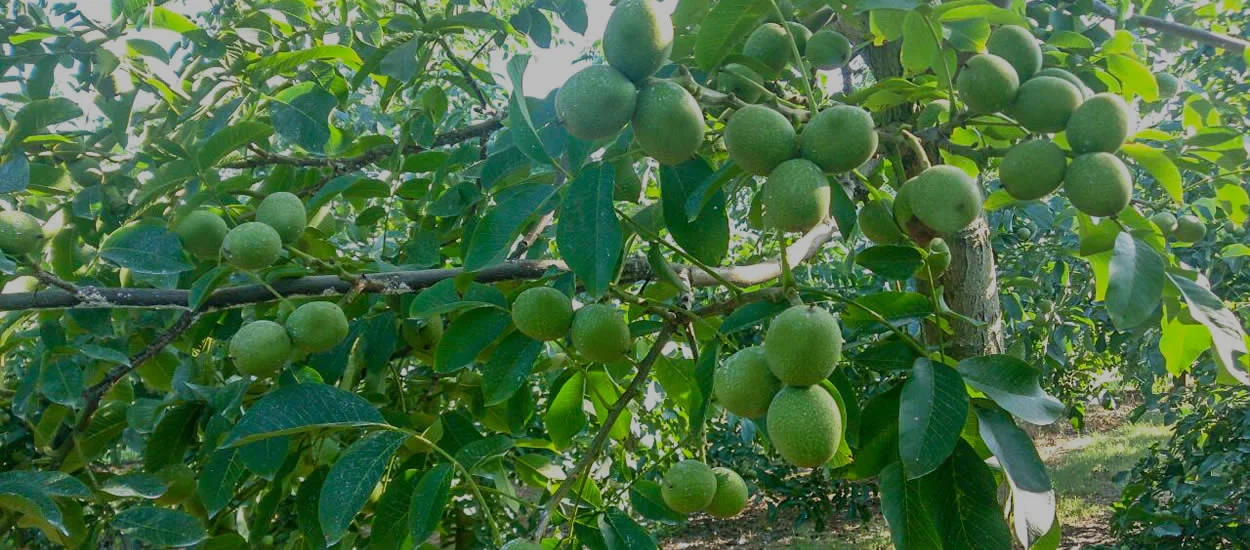
Assess walnut and almond sapling opportunities by source, deadline, quantity, delivery requirements and unresolved eligibility. Canceviz provides the business context. A changed delivery requirement triggers another check rather than an automatic match.
03 / CIE
The decision and intended outcome
You receive a shortlist with source, deadline, quantity, delivery requirements and eligibility questions. Your responsible person checks capacity and decides whether to bid. Research does not establish eligibility or submit an offer.
Canceviz. From a signal to a business decision.
Explore opportunity research for walnut and almond saplings, with a human bid/no-bid decision.
Opportunity research enters at Discover; suitability and eligibility still need review.
Source
Source record
Original notice or buyer enquiry
What CIE does
Record the original buyer or notice source and observation date. Confirm current information.
Check the source.Your decision
The owner decides whether to investigate, bid after checks or decline
Information used
Product fit, buyer requirements and questions still to resolve
Original source, variety, quantity and response deadline
Deadline & quantity
Requirements
- Quantity
- variety and response deadline
What CIE does
Record quantity, variety and deadline separately. A deadline does not establish eligibility.
Confirm the requirements.Your decision
The owner decides whether to investigate, bid after checks or decline
Information used
Product fit, buyer requirements and questions still to resolve
Quantity, variety and response deadline
Product fit
Fit basis
Variety, quantity and growing conditions
What CIE does
Compare walnut and almond sapling specifications with the buyer’s request and available capacity.
Identify gaps in fit.Your decision
The owner decides whether to investigate, bid after checks or decline
Information used
Product fit, buyer requirements and questions still to resolve
Variety, quantity and growing conditions
Delivery & eligibility
Open checks
- Delivery window
- export documents and eligibility
What CIE does
Review delivery requirements, documentation and eligibility questions with responsible people.
Prepare the decision context.Your decision
The owner decides whether to investigate, bid after checks or decline
Information used
Product fit, buyer requirements and questions still to resolve
Delivery window, export documents and eligibility
Bid / no bid
Decision owner
Responsible business owner
What CIE does
The owner decides whether to investigate further, prepare a bid after checks or decline. No automatic submission follows.
Record the reason.Your decision
The owner decides whether to investigate, bid after checks or decline
Information used
Product fit, buyer requirements and questions still to resolve
Responsible business owner
Next action
Outcome
Further research, reviewed bid or no-go
What CIE does
Record the decision and follow the permitted next action. Review what information would improve future research.
Review and improve.Your decision
The owner decides whether to investigate, bid after checks or decline
Outcome and updated context
Keep the bid/no-bid decision, reasons, eligibility questions and next action with the opportunity. A decision does not submit a bid.
Information used
Product fit, buyer requirements and questions still to resolve
Further research, reviewed bid or no-go
Read the complete journey
Source
Record the original buyer or notice source and observation date. Confirm current information.
What CIE does: Check the source.
Your decision: The owner decides whether to investigate, bid after checks or decline
Deadline & quantity
Record quantity, variety and deadline separately. A deadline does not establish eligibility.
What CIE does: Confirm the requirements.
Your decision: The owner decides whether to investigate, bid after checks or decline
Product fit
Compare walnut and almond sapling specifications with the buyer’s request and available capacity.
What CIE does: Identify gaps in fit.
Your decision: The owner decides whether to investigate, bid after checks or decline
Delivery & eligibility
Review delivery requirements, documentation and eligibility questions with responsible people.
What CIE does: Prepare the decision context.
Your decision: The owner decides whether to investigate, bid after checks or decline
Bid / no bid
The owner decides whether to investigate further, prepare a bid after checks or decline. No automatic submission follows.
What CIE does: Record the reason.
Your decision: The owner decides whether to investigate, bid after checks or decline
Next action
Record the decision and follow the permitted next action. Review what information would improve future research.
What CIE does: Review and improve.
Your decision: The owner decides whether to investigate, bid after checks or decline
Outcome and updated context: Keep the bid/no-bid decision, reasons, eligibility questions and next action with the opportunity. A decision does not submit a bid.
Questions before you start
What should we prepare?
Start with a workflow example, product or service information, approved rules and the person responsible for decisions.
Where is human judgment needed?
Missing information, exceptional discounts, delivery commitments and changed scope need the responsible person. CIE is intended to prepare the context for that review.
What is available?
Agree workflows, required channels and connections with Exwest. Availability depends on your business configuration and approved scope.
EXWEST / Next step
Let’s discuss the work you want to improve.
Bring a typical enquiry or opportunity. We’ll discuss your requirements, decision rules and the CIE scope that fits your business.
Your workflow. Your rules. Your decisions.
contact@exwest.de ↗