Customers
Exwest Modular. Every enquiry has a project behind it.
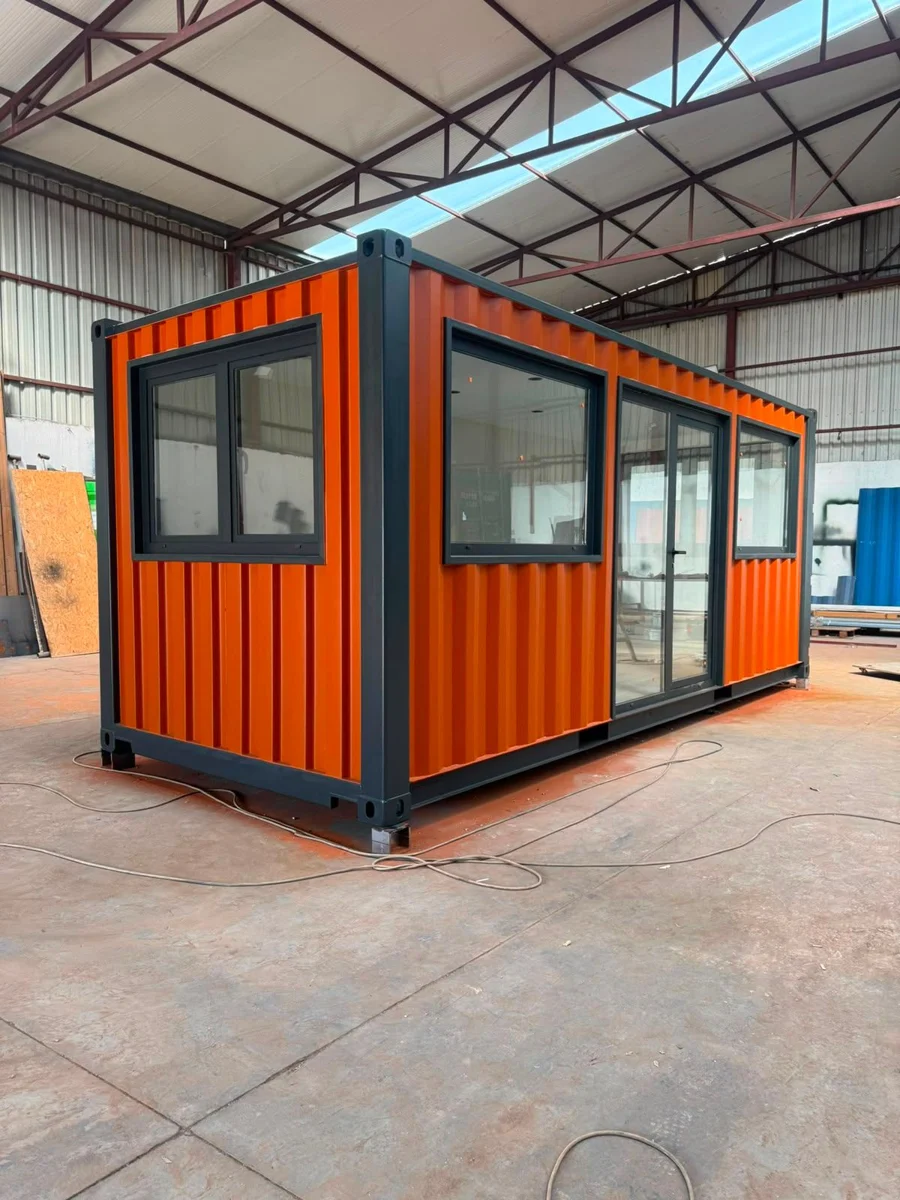
Exwest Modular uses CIE for product enquiries and sales coordination around modular offices, retail spaces and showrooms. Requirements, offers and customer communication belong to the same opportunity.

01 / CIE
The business: spaces built around a purpose.
Modular offices, shops, showrooms and pop-up spaces need project-specific planning. Intended use, site access, utilities and delivery requirements shape the product conversation. A useful offer begins by understanding that context.
02 / CIE
The challenge: keep requirements and replies together.
A changed delivery date can affect feasibility, scope and price. Gathering the request once, identifying missing information and retaining customer replies helps the team continue the conversation without rebuilding the project at every handoff.
03 / CIE
How CIE supports the commercial work.
CIE supports requirements gathering, product enquiries, offer preparation, customer communication and opportunity follow-up. The workflow connects approved product information and pricing rules with the next action. Technical feasibility and commercial exceptions remain human decisions.
04 / CIE
Practical value: a clearer next step.
The team can work from a connected view of requirements, scope, replies and pending decisions. The walkthrough below explains this process, including what changes when a delivery requirement moves. Discuss a comparable workflow for your own products.
The human responsibility
The project owner approves feasibility, exceptional prices and installation or delivery commitments.
Visit the business website ↗One enquiry. A connected sales journey.
Explore a sample enquiry for a modular building, from requirements to your approval.
An incoming enquiry enters at Qualify, then moves into requirements, an offer and follow-up.
Requirements
Requirements to collect
- Usage
- site access and utilities
What CIE does
Understand intended use, site conditions, dimensions, utilities and delivery timing. Missing information becomes a focused question.
Clarify the missing requirements.Your decision
The project owner reviews feasibility and exceptional terms
Information used
Showroom requirements, product options and approved price rules
Usage, site access and utilities
Offer
Offer basis
Approved catalogue and project scope
What CIE does
Prepare scope, options and exclusions from approved product information and pricing rules. Delivery and feasibility checks remain visible.
Review the offer scope.Your decision
The project owner reviews feasibility and exceptional terms
Information used
Showroom requirements, product options and approved price rules
Approved catalogue and project scope
Customer reply
Customer reply to review
Request, reply and current scope
What CIE does
A reply may clarify a requirement or change the scope. Connect it to the affected offer instead of starting a separate record.
Check what changed.Your decision
The project owner reviews feasibility and exceptional terms
Information used
Showroom requirements, product options and approved price rules
Request, reply and current scope
Follow-up
Follow-up plan
Clarification or agreed review
What CIE does
Follow up on the unanswered question or pending decision. Use the recorded context and applicable contact permissions.
Assign the next action.Your decision
The project owner reviews feasibility and exceptional terms
Information used
Showroom requirements, product options and approved price rules
Clarification or agreed review
Human decision
Approval brief
Scope, timing and authority
What CIE does
A responsible person reviews exceptions, capacity and commercial terms. Approve, revise, pause or decline with the relevant information in view.
Record the decision.Your decision
The project owner reviews feasibility and exceptional terms
Information used
Showroom requirements, product options and approved price rules
Scope, timing and authority
Outcome
Opportunity outcome
Agreement, review or reasoned no-go
What CIE does
Record the agreed outcome and remaining conditions. Review the workflow to propose improvements without silently changing business rules.
Review and learn.Your decision
The project owner reviews feasibility and exceptional terms
Outcome and updated context
Keep the reviewed scope or reasoned no-go, open conditions, decision owner and agreed next step together.
Information used
Showroom requirements, product options and approved price rules
Agreement, review or reasoned no-go
Read the complete journey
Requirements
Understand intended use, site conditions, dimensions, utilities and delivery timing. Missing information becomes a focused question.
What CIE does: Clarify the missing requirements.
Your decision: The project owner reviews feasibility and exceptional terms
Offer
Prepare scope, options and exclusions from approved product information and pricing rules. Delivery and feasibility checks remain visible.
What CIE does: Review the offer scope.
Your decision: The project owner reviews feasibility and exceptional terms
Customer reply
A reply may clarify a requirement or change the scope. Connect it to the affected offer instead of starting a separate record.
What CIE does: Check what changed.
Your decision: The project owner reviews feasibility and exceptional terms
Follow-up
Follow up on the unanswered question or pending decision. Use the recorded context and applicable contact permissions.
What CIE does: Assign the next action.
Your decision: The project owner reviews feasibility and exceptional terms
Human decision
A responsible person reviews exceptions, capacity and commercial terms. Approve, revise, pause or decline with the relevant information in view.
What CIE does: Record the decision.
Your decision: The project owner reviews feasibility and exceptional terms
Outcome
Record the agreed outcome and remaining conditions. Review the workflow to propose improvements without silently changing business rules.
What CIE does: Review and learn.
Your decision: The project owner reviews feasibility and exceptional terms
Outcome and updated context: Keep the reviewed scope or reasoned no-go, open conditions, decision owner and agreed next step together.
Questions before you start
What should we prepare?
Start with a workflow example, product or service information, approved rules and the person responsible for decisions.
Where is human judgment needed?
Missing information, exceptional discounts, delivery commitments and changed scope need the responsible person. CIE is intended to prepare the context for that review.
What is available?
Agree workflows, required channels and connections with Exwest. Availability depends on your business configuration and approved scope.
EXWEST / Next step
Let’s discuss the work you want to improve.
Bring a typical enquiry or opportunity. We’ll discuss your requirements, decision rules and the CIE scope that fits your business.
Your workflow. Your rules. Your decisions.
contact@exwest.de ↗